We apologize for the long period of time with no posts. In our last post, we shared that we had felt prompted to do something that would require more of our time, and we had just challenged our missionaries to live a life of covenant over a life of convenience, and we wanted to be an example of that.
One of the changes was to go from three Zone Conferences (combining two zones together) to six separate Zone Conferences. It has required so much more time, but it has been very rewarding to see the smaller groups become more involved in the conferences and contribute more to the discussions.
Recently, we just finished our six Zone Conferences. This year is the 125th anniversary of the Church in Japan. Elder Heber J. Grant and his three companions arrived on August 12, 1801, in Yokohama Bay. We currently have a chapel there, the Yamate chapel, and there is a monument outside that church in honor of Elder Grant and the first missionaries that came with him. We felt it would be a special place to hold all of our Zone Conferences there, walk around the area with the missionaries, and share this history. We wanted to share the history with you, and then we will post another post to let you know what else we have been up to in the mission. Most of the information comes from a book written by R. Lanier Britsch, From the East, The History of the Latter-day Saints in Asia, 1851-1996.
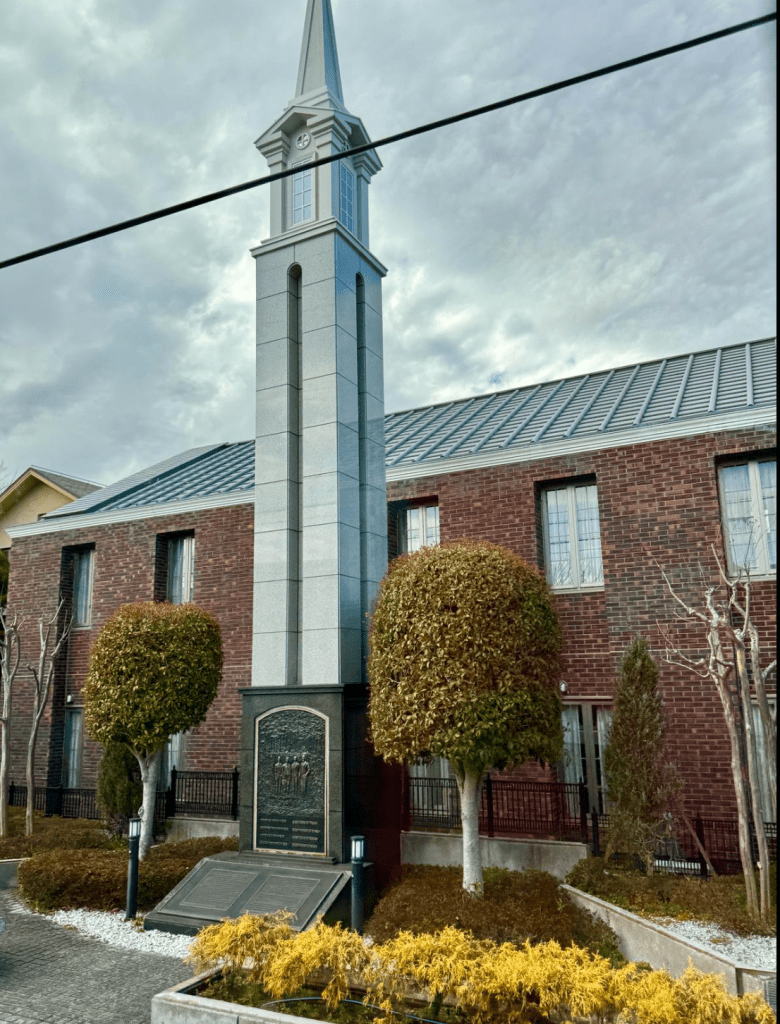
The foreign press in Yokohama had received word of their coming and had written several negative articles about them, referring to them as polygamists. Due to that coverage, they had a difficult time finding a place to stay.
After getting adjusted, they set a day, Fast Thursday, to dedicate the land for the preaching of the gospel. They climbed a hill and in a secluded spot in a small grove, Elder Grant dedicated the land. The hill, called The Bluff, in Yokohama, is the area where all the foreigners lived, so, naturally, Elder Grant would choose that spot. If you were to walk on the hill today, you would find it difficult to believe you were in Japan. There are several churches located there (something rare in Japan), and the style of the homes and buildings is more of a European style. It has a large cemetery where the headstones are all in English, another rare thing in Japan.
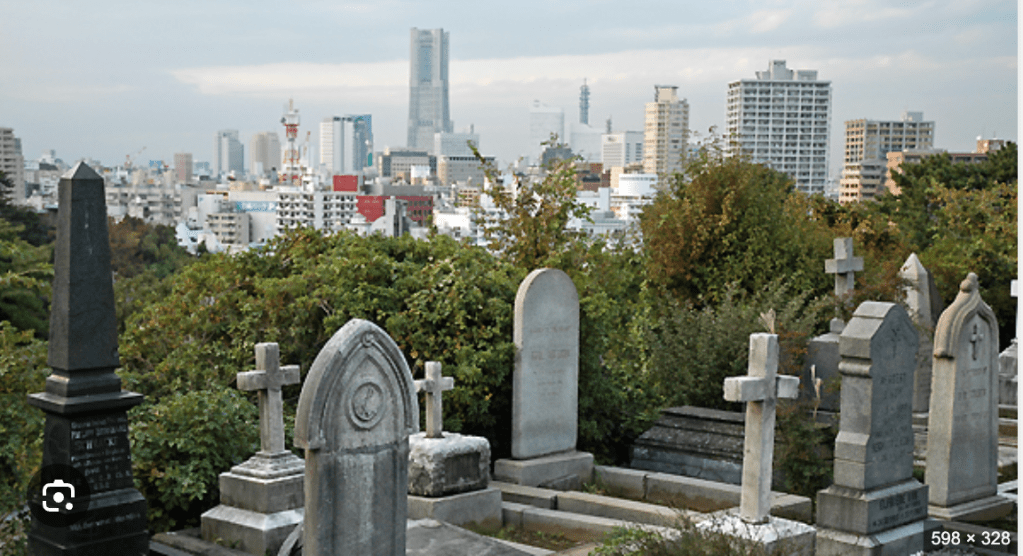
This is a view from the Foreigners Cemetery at the top of the Bluff, looking down upon Yokohama.
According to the youngest missionary, Alma O. Taylor, “his tongue was loosed, and the Spirit rested mightily upon him; so much that we felt the angels of God were near for our hearts burned within us as the words fell from. His lips. I never experienced such a peaceful influence or heard such a powerful prayer before. Every word penetrated into my very bones, and I could have wept for joy.”
The language was very difficult for them. They hired teachers and worked at it for months. They didn’t go out among the people until Feb 1903, 18 months after arriving in the country.
The first convert was Nakazawa Hajime, a Shinto priest, baptized on March 8, 1903, in Omori, Tokyo. It was low tide, and they rowed out in a rowboat until it was deep enough to immerse him. Elder Grant and Nakazawa-san climbed out of the boat, performed the baptism, and then got back in and rowed back to shore. The second person, Kikuchi-san, was baptized a couple of months later. “Unfortunately, Nakazawa and Kikuchi both proved to be dishonest in their intentions and were later excommunicated from the Church.”
Elder Alma O. Taylor began to translate the Book of Mormon into Japanese. He didn’t complete it until the end of 1909. After completion, he returned home, the longest-serving missionary in Japan, having served for almost nine years.
Just as Elder Grant prophesied, the work was slow going at first. When the mission closed in 1924, they had only had 166 baptisms in 23 years. Keep in mind that there were rarely more than ten missionaries at a time serving in Japan.
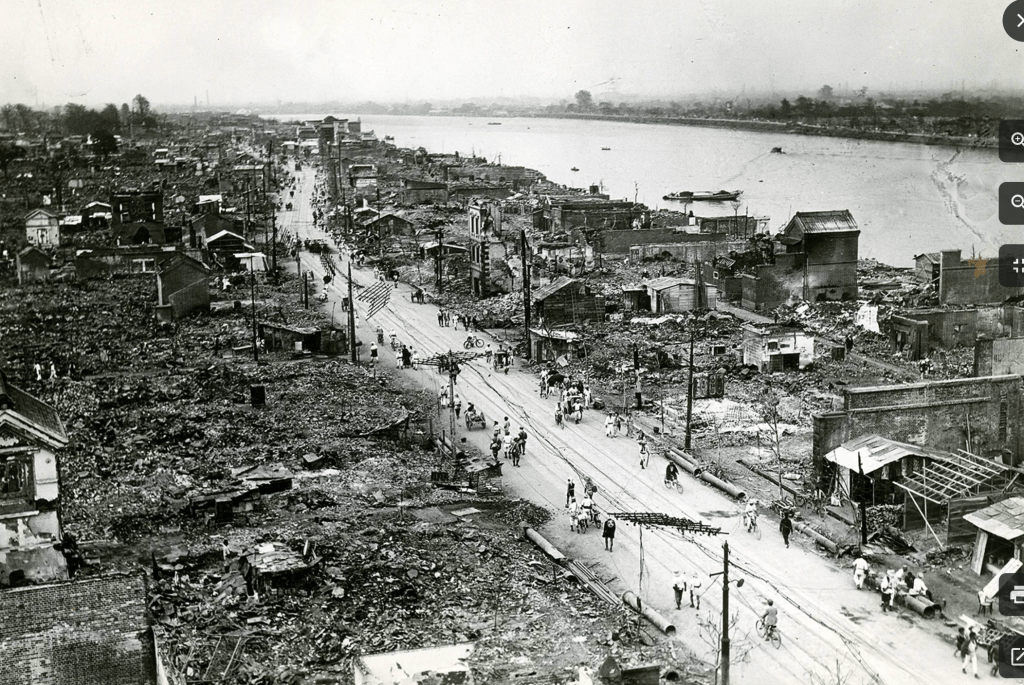
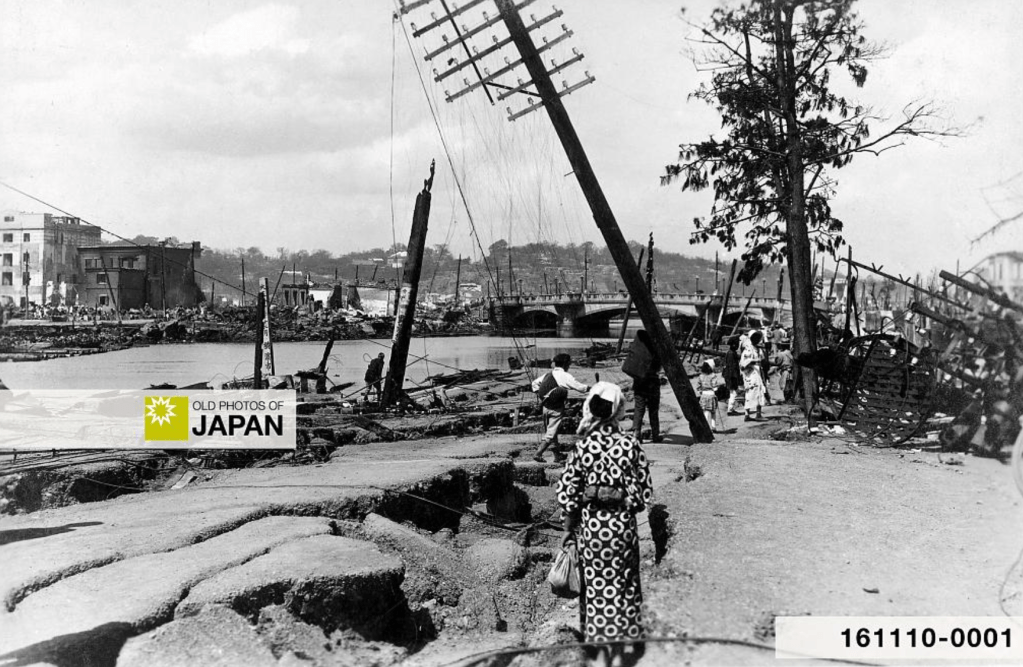
September 1, 1923, a terrible earthquake, the Great Kanto Earthquake, hit just before noon. 120,000 – 150,000 people died from flames that engulfed the cities and falling debris. Shortly after that, in 1924, the US Congress passed a law that blocked any Chinese or Japanese people from coming to the US. It went into effect on July 1, 1924. That day was observed throughout Japan as a “day of humiliation,” and posters were put up all over Japan that said, “Hate Everything American.” Thousands of people gathered to protest, and the missionaries didn’t feel safe leaving their apartments. President Robertson arrived home to find ”Americans Go Home” tacked to his door. The brethren in Salt Lake City sent money and told President Roberton to close the mission and bring all the missionaries home.
President Grant wasn’t sure when missionaries would be able to enter Japan again. In 1937, he decided to open a Japanese Mission in Hawaii. He called the same mission president, President Robertson, who had closed the mission in Japan, to be the president. (Keep in mind, Hawaii is not part of the USA at this time.) A few Japanese saints had moved from Japan to be close to the temple (built in 1919). The first Sunday, there were 17 Japanese saints and investigators. By 1949, there were 77 missionaries, and the membership had grown to 671 people. It was from this group of saints that future leaders to Japan and also leaders of the church would come.
“In April and May of 1939, President Robertson was sent back to Japan to check on the saints there. He landed in Yokohama and began to try to find the saints using old addresses. With so many inaccurate addresses, he began searching for Nami Suzuki, an older sister who had once lived in and cooked for the mission home. Of all the millions in the Tokyo-Yokohama area, a young girl emerged from a public bath, saw the foreigner, and asked what he wanted. When Robertson told her, she said, “That’s my mother.” She took him right to Sister Suzuki’s, and Robertson got other addresses from her. He visited the Tokyo, Sapporo, and Osaka Saints, and assured them that they had not been forgotten and that missionaries would return someday. While he was in Japan, he baptized several new members.”
In 1944, at the close of the war, Brother Edward Clissold, a US Navy officer who at the time was the Mission President of the Central Pacific Mission (changed from the Japan Mission because of the war), was sent to a military school at the University of Chicago. There, he was trained as a government administrator, and he expected to be assigned as a provincial governor in Japan when the war ended. He was sent there, but not in that capacity. He was assigned to be in charge of the Education and religious sections. God was putting him in the right place at the right time to meet the right people.
A few months later, he returned to Hawaii, but was later called to go back to Japan as the Mission President. He was instructed by Church leaders to organize the Church, establish a mission headquarters, and make arrangements for missionaries to enter the country.
God had prepared him in his earlier assignment with the Navy. When he returned to Japan, he had many connections with people he had met while there earlier. He immediately began searching for living and office quarters. One month later, because of connections he had made earlier, he located a partly burned mansion in Azabu, Tokyo, and, with the help of many influential people, even Prince Takamatsu, and after a series of extremely complex negotiations, he obtained permission to buy the property. The home had taken a direct hit from bombs, and there was damage, but because it was a concrete structure, it was still solid. This became the mission home for the next thirty years until it was torn down to make room for the Tokyo Temple.
Of the first missionaries called to serve in Japan, some had fought there during the war. Now they were returning to teach the gospel of peace. One of their first assignment was to try to find members from the former mission who were alive. Because of the war, the people were now more receptive to the gospel. The missionaries also had more to work with, such as tracts, a Japanese Book of Mormon, and a collection of hymns.
There were still no missionaries in Okinawa, but the Lord provided help. A former missionary to Japan was not stationed in Guam in the service. One day, he received orders to go to Japan, but when he arrived in Okinawa, they were not expecting him, so they told him to take a few days off while they decided which assignment he would be given.
“So, speaking Japanese, he was interested in the Okinawans. He walked out into the countryside, and as he was walking along the road, he came to a home and decided… he would go in and speak with the people to see if he could take a picture of their home. So, he slid open the door and said, “Gomen kudaai”. He didn’t realize that at this very moment, Sister Nakamura was in her home on her knees, praying that the Lord would lead her to the true church. And here Elder Bird came, opened the door, and said, “Gomen kudasai.”
“She came out and was very impressed that there was an American who could speak Japanese. So, she asked, How is it that you speak Japanese so well?” He said, “Well, I was a missionary for the Mormon Church in Japan.” She said, “Wouldn’t you come in and tell me about your church?” This is how they came together. He taught her, and she and her daughter were converted and baptized. “
Sister Nakamura lived in a castle-type home, and the church started holding meetings in her home. She also housed the missionaries who came to Okinawa.
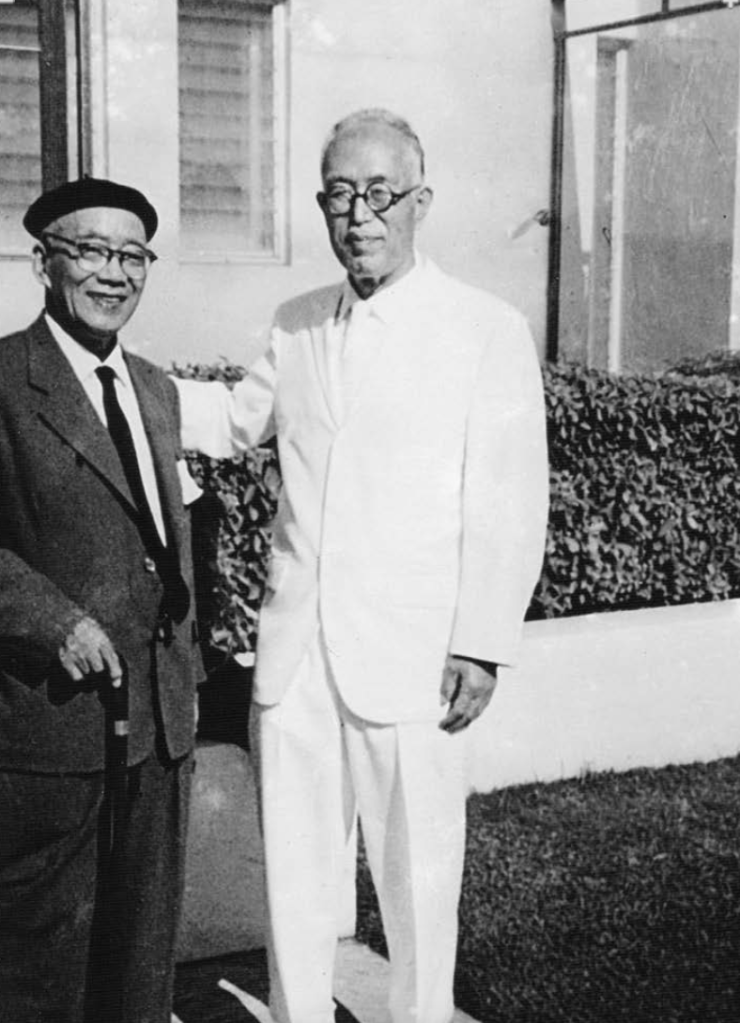
Brother Tatsui Sato began to retranslate the Book of Mormon, as well as the Doctrine and Covenants and Pearl of Great Price. He and his wife, Chiyo, had been baptized by two military men – one being Boyd K. Packer. (He also translated the temple ceremonies into Japanese for the Hawaii Temple in the early 1960s.)
By the end of 1949, President Clissold had missionaries in ten major cities. Tokyo was the largest city in the world at that time.
Between 1949 and 1953, Japanese membership grew from 211 to more than 800 – from one or two branches to 25, and the missionaries expanded to 84 (for all of Japan)
Up until this time (1956), there had been no set lesson plan. They noticed 50% were becoming inactive, so they decided not to baptize anyone until they ask for it. The main push was to convert them to Christianity. At that time, President Andrus “placed the missionaries on a strict work schedule and encouraged them to move forward toward uniformity in their teaching methods. This simple measure more than doubled the number of converts in 1956.” This is also when the 2nd translation of the Book of Mormon was completed, along with the Doctrine and Covenants and Pearl of Great Price in Japanese. Now the missionaries had something to take into the homes of the people, tell them the story of Joseph Smith, share the Book of Mormon with them, and invite them to be baptized. Baptism jumped from 129 in 1956 to 616 in 1957.
The Church started buying homes to hold church meetings in. They had several branches in Tokyo and were looking for a central location for a Stake Center – something that would represent the Church in all the Far East.
President Andrus shares a miracle story.
“So for years I looked for a place and finally found one in Tokyo that we thought would fill the bill… We found this property just at the time that Brother Hinckley was coming to Japan… This property was large and was selling for $670,000. Of course, that was a very high price, and we couldn’t consider it except for one thing: when President Mauss was president of the mission way back in 1952, he bought a piece of property that was serving as the Tokyo Branch meetinghouse site. It was an old residence, but it was about 30,000 square feet, and he paid $20,000 worth of yen to acquire it.
“In the meantime, we found this other property that was better located right on the entrance boulevard to Meiji Shrine. Every person in Japan knows where it is. If you say Meiji Jingu, Omote Sando, they all know where it is.”
Elder Hinckley looked at the property and was impressed with its potential but staggered by the price. But before he had a chance to reject the property, President Andrus told him that the land President Mauss had purchased for $20,000 was worth $500,000. After a phone call to church headquarters, it was discussed and they purchased the land. The value only increased. Knowing it was prime land, they thought of the many things they could do with the property – a large building for church offices, a missionary headquarters, a distribution center, etc. But these were not to be realized. They received an offer for 5 million dollars, then 13.5 million dollars, and they finally sold the property a little over ten years later for $24,150,943.40. That is how they got the money to build other buildings in Japan.
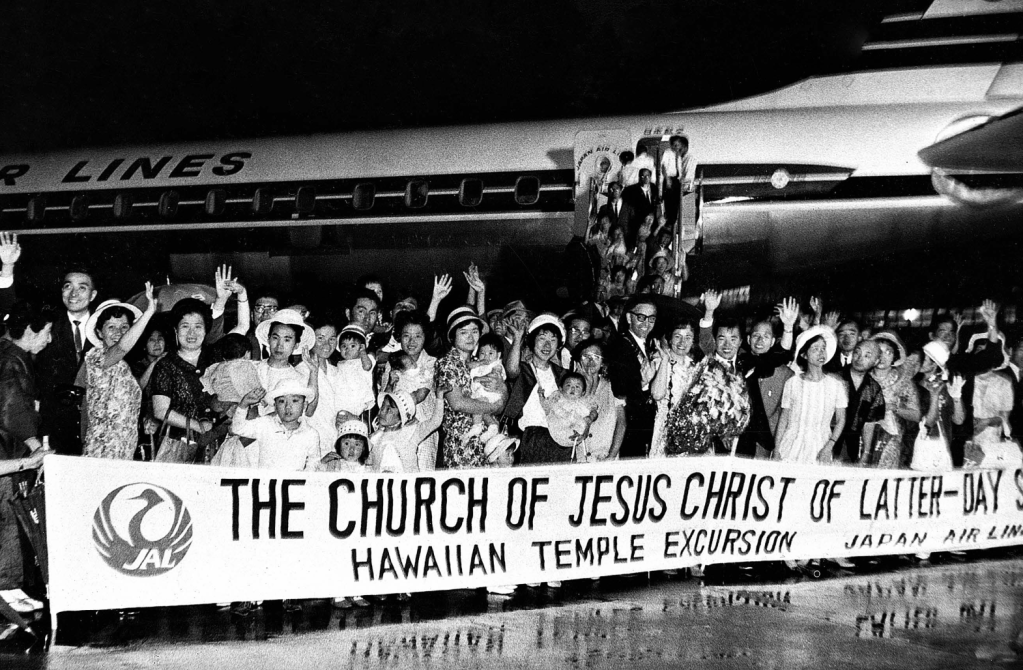
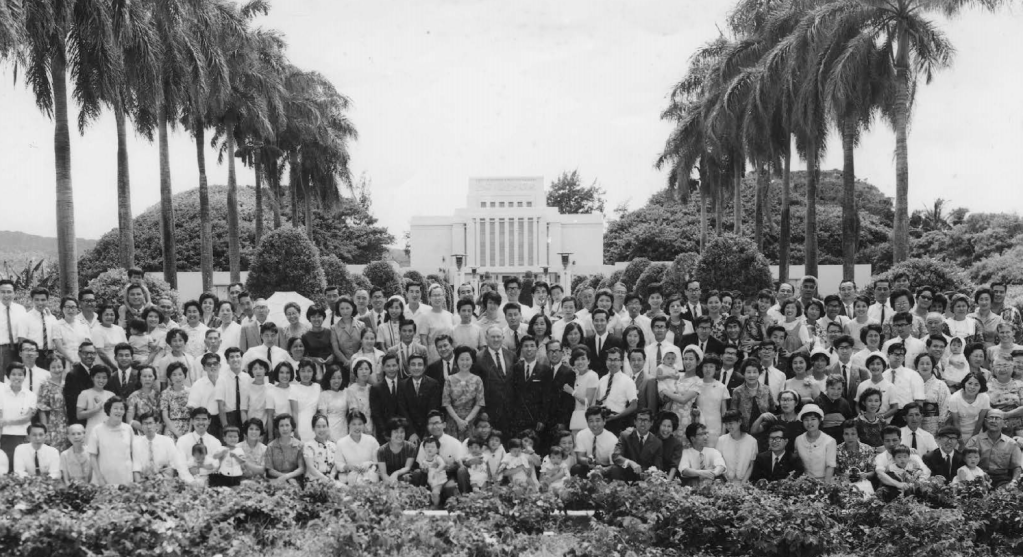
In 1963, the Japanese members wanted to receive their temple blessings. The closest temple was in Laie, Hawaii. They chartered a flight for 170 people. This would cost them between one third, to one half of their annual salaries to make this trip. Someone was able to find a good deal on pearls, and so they purchased a large number and made tie tacks, earrings, and necklaces to sell. They also made a recording of music which they sold. Many things went wrong, but there were also many miracles that occurred to allow it to happen. Hearing about their preparations, the First Presidency asked that a translator be sent to Hawaii to translate the entire temple ceremony. They sent Brother Sato, the same man who had translated the Book of Mormon.
“When the jetliner was coming in over Pearl Harbor in July 1965, one of the 166 participants looked down and said to himself. “I wonder what kind of reception I will get since my fellow Japanese dropped bombs on Pearl Harbor? How will I be treated?” When the plane landed, the Hawaiian Saints gave the Japanese Saints one of the greatest welcomes ever. They piled leis high on every neck and greeted the newcomers warmly. “I had heard about brotherly love,” said the worried brother, “but I never really knew what it was. Now I know what brotherly love is. Now I want to share this brotherly love that I have felt among these people who we tried to destroy, but in return they have shown kindness and love.”
Elderly Hinckley met them at the temple and sealed some of the couples.
These trips happened almost every year after that – the last one being July 1979. It was the following year that the Tokyo Temple was dedicated.
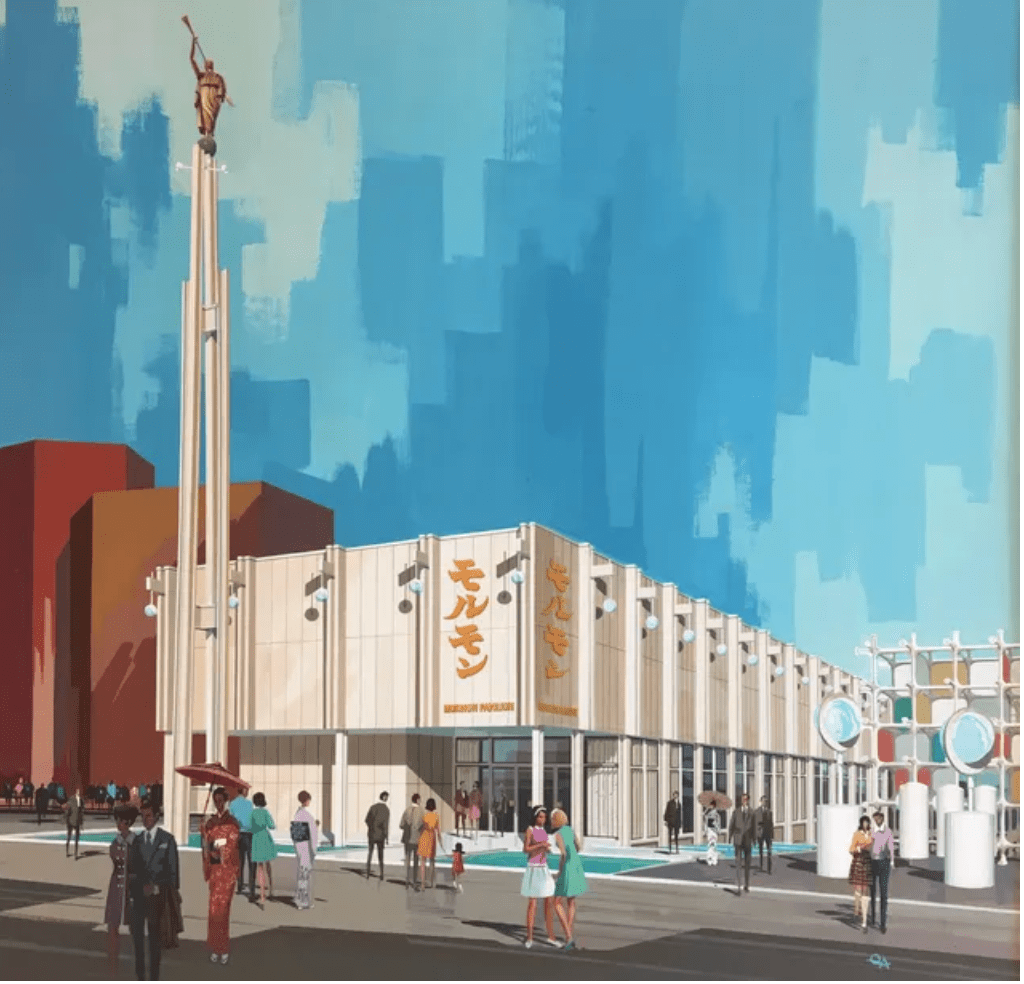
Another big event that elevated the awareness of the Church in Japan was the 1970 Japan World Exposition in Osaka, Japan. The Church decided to have a Mormon exhibit. The exhibit focused on the divinity of Jesus Christ, the reality of a living God, the importance of the Book of Mormon, the Plan of Salvation, and the role of the family in that eternal scheme. Nearly 7 million people visited the pavilion and were briefly taught the message of the restored gospel. Approximately 780,000 Japanese people provided their contact information and asked for missionaries to visit them at home. 50,000 copies of the BOM sold.
The same week the Expo started, two more missions were formed. Japan East Mission, headquartered in Sapporo, and Japan West Mission, headquartered in Fukuoka. The first stake in Japan was also created at the same time they dedicated the Exhibit. There were now 12,500 members of the church in Japan.
Another special occasion was when church leaders held an area conference in Tokyo for three days. Saints from all over Japan gathered in the Budokan (close to the Imperial Palace and built for the Olympics). Japan now had six missions. During a meeting with just leaders, President Kimball, along with his two counselors, announced the Church would construct a temple on the site of the Tokyo mission home.
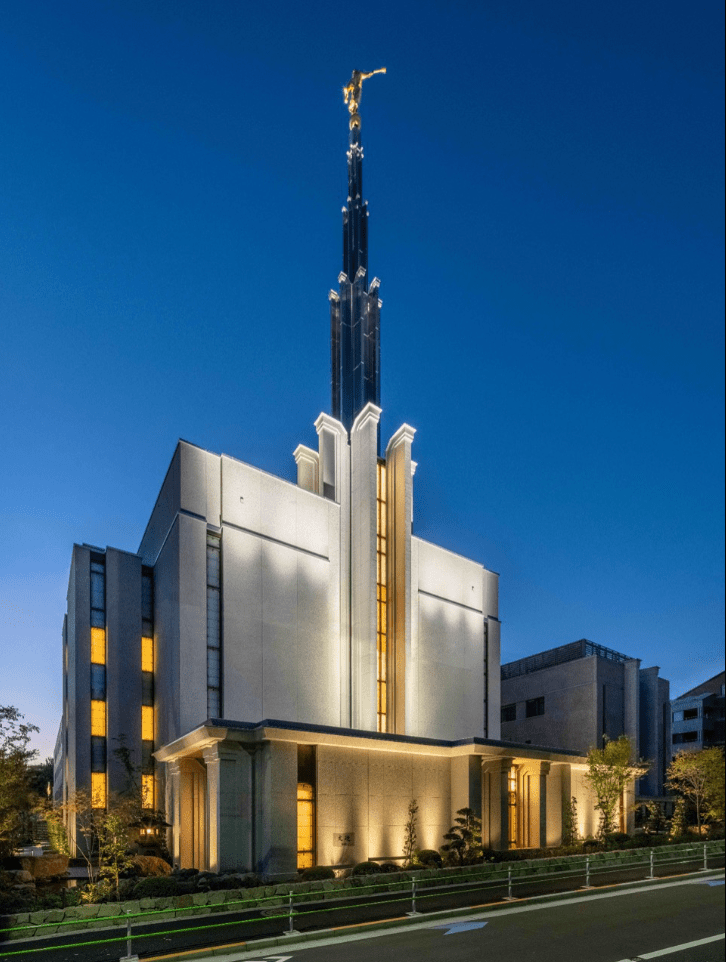
The next morning, 9,800 people gathered for another meeting, and President Kimball announced the building of the Tokyo Temple, the 18th temple in the world. The congregation applauded, and Elder Hinckley noted that this was the first time he had been in a Church meeting when the people had broken into spontaneous applause. This was especially unusual considering the general restraint of the Japanese people. “The few young people who understood English grasped their chests and held their breath waiting for the translation to affirm what had been heard.” “A few of the older Saints had been listening to the prophet’s address with their eyes closed. When they heard the translation of the prophet’s announcement, they slowly opened their eyes and then, as if suddenly realizing what they had heard was true, folded their arms, bowed their heads, and cried.”
On the last day of the area conference, over 12,300 people attended. “Japanese people are sometimes characterized as stolid and unemotional people. This description does not apply to the Japanese Mormons. After the choir sang, ‘God Be With You Till We Meet Again’ and the closing prayer ended the conference, President Kimball observed the weeping people and was reluctant to leave. The Saints spontaneously sang the hymn “We Thank thee, O God, for a Prophet”. President Kimball and the General Authorities remained on the stand for about twenty minutes while the emotional congregation sang, smiled, and wept. The event of the conference had truly been historic”.
After that, the church in Japan grew quickly. Five new stakes and two new missions were added in the next four years, and membership increased to close to 15,000.
Ground was broken for the temple on April 10, 1978, and construction began. Many miracles occurred to give us the temple we have today. The first design was very small, and President Hinckley continued to look for a better piece of ground besides the Mission Home because it was so small. For unexplained reasons, the Church succeeded in acquiring land on both sides of the mission home. One property, owned by the Momura Investment Company, was offered to the church for 2.6 million dollars, even though the company had already been offered more than 3 million for it. With additional room, the church architect was able to make adjustments that provided a more functional building and the Annex next door for the workers and visitors. In May of that year, the Church bought a seven-story admin building two blocks away from the temple and dedicated it. In July, they split Tokyo South and made Tokyo North Mission. The next year, the Tabernacle Choir toured Japan, and the BYU football team played in Japan, bringing a lot of recognition to the church.
The dedication of the temple was on October 27, 1980. 7,500 people attended 7 dedicatory sessions. Following the temple dedication services in Tokyo, the visiting authorities held area conferences in Tokyo and Osaka. Elder Gordon B Hinckley said, “This is a place where the Church has a tremendous future.” Elder Hinckley then issued a challenge to the Japanese members to increase their number to 100,000 within the next five years. At that time, there were 48,627 members in Japan. All 1,500 missionaries serving in Japan at the time were blessed to meet with and hear President Kimball and other leaders of the church.
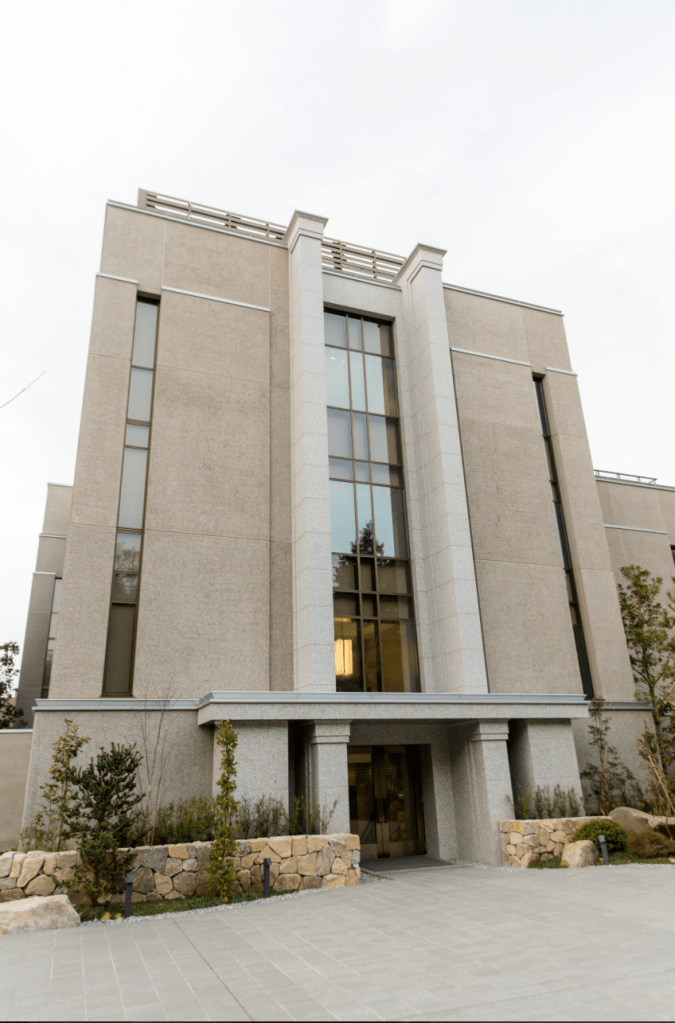
The Church acquired another lot near the temple and built the Annex in July 1986. That is where our Mission Office, along with the Tokyo North Mission office, is located. Three wards, two of them English, also meet in that building. Between mission meetings and events, and ward activities, the building is well used.


Leave a Reply